If a radiator is not heating up when the heating is on, it usually points to an issue somewhere in your system, not always an expensive fault. With a few simple checks, you can often narrow down the cause and know when it is time to bring in a Gas Safe engineer.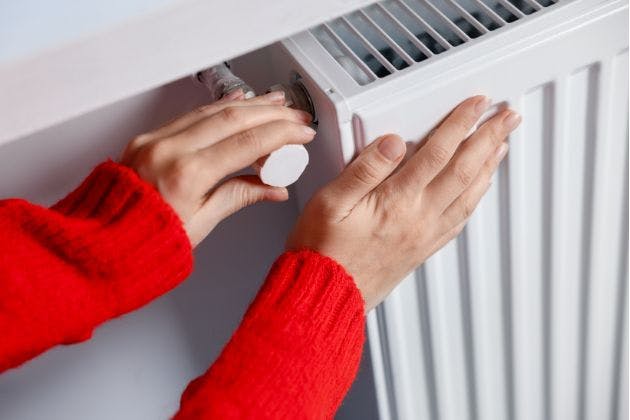
Quick navigation
Jump to what you need:
Single radiator cold vs multiple radiators cold
The first thing to notice is whether one radiator is cold, a few are affected, or the whole house is struggling. This gives a strong clue about the root cause.
If only one radiator is cold but others are fine, it often indicates a local issue, such as trapped air, a stuck valve or a blocked radiator. Several radiators cold, especially upstairs or furthest from the boiler, usually points to balancing, pump or pressure problems.
Quick symptom to cause guide
One radiator stone cold: valve closed, stuck TRV pin, airlock or sludge in that radiator
Radiator hot at bottom, cold at top: trapped air, needs bleeding
Radiators warm downstairs, cool upstairs: low pressure, pump or balancing issues
No radiators getting hot: boiler fault, pump failure, very low pressure or diverter valve issue on a combi
Top causes of radiators not heating up
Several common issues account for most radiator problems. Some are simple to check, while others need a trained engineer.
Trapped air in the radiator
Air can build up in your system and collect at the top of radiators, especially after work on the system or if the pressure has dropped. The usual symptom is a radiator hot at the bottom but cool or cold at the top.
A quick bleed with a radiator key often restores full heat, as long as your boiler pressure remains in the correct range afterwards.
Stuck TRV pin or closed valves
Thermostatic radiator valves (TRVs) can stick in the closed position, especially after summer when they have been turned off for months. The small pin under the TRV head can seize in place.
Lockshield valves on the opposite side of the radiator may also be almost closed from previous balancing, limiting flow so much that the radiator stays cold.
Balancing issues in the system
Balancing is the process of setting each radiator valve so hot water flows evenly throughout the property. If the system is poorly balanced, radiators nearest the boiler may get very hot while those further away stay lukewarm or cold.
Balancing can involve small, precise adjustments to lockshield valves and is usually best done by an experienced heating engineer with the right thermometers and know-how.
Low boiler or system pressure
On most modern sealed systems and combi boilers, low water pressure will reduce flow to radiators and may stop the boiler heating at all. You will usually see a pressure gauge on or near the boiler.
If the gauge is well below the green zone (often below 1 bar), the system may need topping up. Persistent pressure loss, however, usually indicates a leak or another underlying fault.
Sludge or a blocked radiator
Over time, rust and debris can build up in radiators and pipework, forming a thick sludge that blocks water flow. Common signs include radiators hot at the top but cold or cool at the bottom, or one radiator staying much cooler than the rest.
Homes with older radiators and pipework, especially in areas like Hoddesdon, Ware and Hertford, can be more prone to this. A professional system check, powerflush or radiator replacement may be needed to restore even heat.
Pump or diverter valve issues
The circulation pump pushes hot water around your system. If it is failing or set incorrectly, distant radiators may never fully heat up. You might hear odd noises from the boiler or airing cupboard if the pump is struggling.
On combi boilers, the diverter valve directs heat to either your radiators or your hot water. If it sticks, you may get hot water but no heating, or vice versa. Both pump and diverter valve faults are jobs for a Gas Safe engineer.
Safe checks you can do at home
There are several basic checks most homeowners can carry out safely. If anything feels unclear or you feel unsure, stop and call a professional.
1. Check your radiator valves
First, make sure the obvious has not been overlooked. Turn the TRV on the affected radiator up to a higher setting, ideally fully open. Check the manual valve or lockshield at the other end is at least partially open too.
If the TRV head is loose or damaged, or turning it makes no difference, it may need repair or replacement by an engineer.
2. Safely bleed a radiator
If the top of a radiator is cool but the bottom is hot, it likely contains trapped air. With the heating off and the radiator cooled a little, place a cloth under the bleed valve at the top.
Use a radiator key to slowly open the valve a quarter turn until air hisses out, then close it as soon as a steady stream of water appears. Afterwards, check your boiler pressure and only top up if your user manual explains how to do so safely.
3. Check boiler pressure on sealed systems
Look at the pressure gauge on the front or underneath your boiler. For most systems, cold pressure should be around 1 to 1.5 bar, but always refer to your manual.
If it is low and your manufacturer's instructions allow, you can carefully use the filling loop to top up to the recommended level. If pressure keeps dropping, stop topping up and call an engineer, as repeated low pressure can damage your boiler.
4. Look for simple patterns
Note which radiators are cold and where they are in relation to the boiler. If only those furthest from the boiler are struggling, balancing or pump issues are likely.
If the whole house is cold and the boiler is showing an error code or locking out, you will need a professional diagnosis.
Warning signs that need a professional
Certain symptoms mean it is safer to call a Gas Safe registered engineer rather than continue troubleshooting yourself.
Contact a professional promptly if you notice any of these:
Visible leaks from radiators, valves, pipework or the boiler
The boiler pressure is repeatedly dropping, even after topping up
Loud banging, kettling or whistling noises from the boiler or pipes
Boiler showing error or fault codes, or repeatedly turning itself off
Radiators are staying cold despite the valves being open and the correct pressure
For homes in Hoddesdon, Ware, Hertford and surrounding areas, older systems can hide long-term sludge and valve issues that really benefit from a thorough professional system check and service.
Preventing recurring radiator problems
Once your radiators are heating properly again, a bit of regular maintenance helps keep them that way. Annual boiler servicing, periodic checks of system pressure and occasional radiator bleeding can all make a difference.
If you have ongoing problems with cold spots, repeated pressure loss or noisy operation, a professional assessment of the whole heating system can often save money and stress in the long run.
FAQ schema candidates
What should I do first if one radiator is not heating up?
Start by checking that both valves are open and the TRV is turned up. If the bottom is hot and the top is cold, bleed the radiator safely, then recheck the boiler pressure.
Is it safe to bleed radiators myself?
Bleeding a radiator is usually safe if you follow the steps in your boiler and radiator instructions, keep the heating off, and protect against hot water. If unsure, call an engineer.
Should I top up my boiler pressure?
You should only top up pressure if your boiler manual explains how and you feel confident. Never overfill the system. If pressure keeps dropping, call a professional.
When should I call a Gas Safe engineer?
Call a Gas Safe engineer if several radiators are cold, the boiler shows fault codes, there are leaks, loud noises, or pressure drops keep returning after top ups.
Need help getting your radiators hot again?
If you have tried the safe checks above and your radiators are still not heating up properly, it is time for expert support. A professional boiler service can catch developing issues early and help prevent recurring cold spots, sludge build up and breakdowns.
For friendly, qualified help with boiler servicing, radiator problems or no heat and hot water, contact S&G Plumbing & Heating Solutions Ltd on 07943985998 or fill out our contact form to book an appointment.