
Blog
How to Bleed a Radiator Safely: Step-by-Step Guide for Homeowners
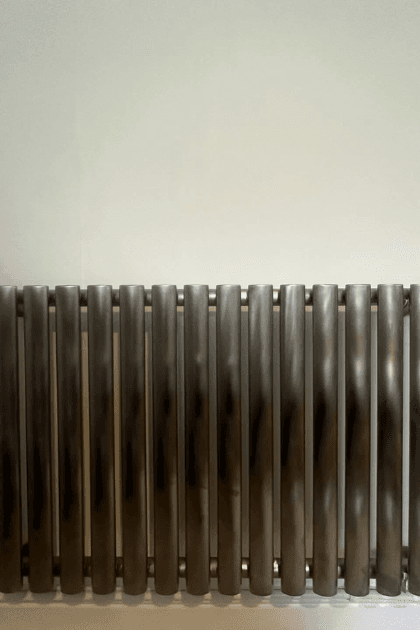
How to bleed a radiator safely: quick, confident steps for homeowners
If your radiators are cold at the top, slow to heat or making gurgling noises, trapped air is the usual culprit. Knowing how to bleed a radiator safely will restore heat to the room, reduce boiler workload and help you avoid unnecessary call-outs — provided you follow the correct safety checks and stop when a problem needs professional attention.
Recognising when a radiator needs bleeding
Trapped air prevents hot water circulating properly, so the easiest signs to spot are practical and immediate. Before you start, check for:
- Cool or cold at the top, warm at the bottom — a classic sign of air in the radiator.
- Gurgling, glugging or trickling noises coming from radiators or pipework.
- Slow warm-up compared with other radiators in the house.
- Boiler pressure rising slightly once the heating is on — trapped air can affect system behaviour.
If several radiators show the same problem or the issue returns quickly, bleeding alone may not be enough and a full system inspection is advisable.
When not to bleed a radiator
Bleeding is straightforward, but there are clear situations when you should not proceed:
- System is hot — bleeding releases hot water and steam. Turn the heating off using the programmer or boiler controls and wait until radiators are fully cool (typically 30–60 minutes).
- Thick black or gritty water appears from the valve — this indicates sludge or corrosion. Stop and arrange a professional inspection rather than continuing to bleed; a power flush may be needed. See our page on power flushing for more information.
- Communal or district heating systems — changes can affect neighbours. Check with your building manager or maintenance company before altering anything.
- Any uncertainty — if you are unsure at any stage, leave it and book an engineer to avoid causing further damage.
What to prepare before you start
Preparation keeps the job clean and safe. Gather these items before you touch the radiator:
- Radiator key (or screwdriver for some towel rails) — available from DIY stores.
- Old cloth or towel to protect paintwork and carpets.
- Small container such as a jug or shallow tray to catch drips.
- Boiler manual if you have it — handy for checking the correct cold pressure for your system.
Step-by-step: how to bleed a radiator safely
-
Turn the heating off and let the system cool.
Use the boiler or central heating programmer, not just a room thermostat. Note the boiler pressure on the gauge while cold — many sealed systems sit around 1–1.5 bar when cold, but check your manual for the exact recommendation.
-
Find the bleed valve.
Choose the radiator with cold spots. The bleed valve is usually at the top corner and has a small square or slotted centre.
-
Protect the area and place your container.
Lay the towel under the valve and position your jug or tray to catch any water.
-
Open the valve slowly.
Use the radiator key and turn anti-clockwise a quarter to half a turn. You should hear a hissing sound as air escapes. Do not remove the valve completely.
-
Close when water flows steadily.
When the hissing stops and a steady stream of water flows, turn the valve clockwise to close. Be firm but avoid over-tightening to prevent damage.
-
Repeat if needed, working top to bottom.
Bleed other affected radiators one at a time, starting with the highest radiators so trapped air rises naturally. If almost every radiator needs bleeding, book a full system check.
Check boiler pressure after bleeding
Bleeding can release a small amount of water from the system and may lower boiler pressure. Re-check the gauge when the system is cold. If pressure is below the recommended level (often under 1 bar when cold), the filling loop can be used to top up following your boiler manual. If pressure keeps dropping, do not repeatedly top up — there may be a leak or an expansion vessel fault that needs professional attention.
Bleeding, balancing and system cleaning — how they work together
Bleeding removes trapped air but does not correct flow imbalances or sludge. Two further services to consider:
- Balancing radiators — adjusting radiator valves so hot water is distributed evenly around the home, useful where some rooms stay cooler despite bleeding.
- Power flushing — a deep clean that removes sludge and corrosion using specialist equipment. If you see cold patches at the bottom of radiators or very dark water, a power flush may be the right next step. Find out more on our power flushing service page.
Quick troubleshooting reference
- Cold at top, warm at bottom — likely trapped air. Bleed once and recheck.
- Cold at bottom, warm at top — likely sludge build-up. Stop bleeding and consider system cleaning.
- Needs bleeding every few weeks — possible ongoing air ingress or system fault. Call an engineer.
- Many radiators cold and boiler pressure dropping — possible leak or expansion vessel issue. Arrange a professional inspection.
- Noisy system after bleeding — could be poor flow or debris; ask about balancing or a system clean.
When to call a heating engineer
Bleeding is a helpful DIY task, but persistent problems — frequent air issues, repeated pressure drops, multiple radiators needing attention, very dirty water from bleed valves, or anything involving a communal system — warrant professional support. Local homeowners in Hoddesdon, Ware, Hertford and across Hertfordshire commonly combine bleeding with a system check to diagnose underlying faults.
S&G Plumbing & Heating Solutions Ltd can assess your radiators, boiler pressure and overall system health, and advise whether balancing, boiler repairs or power flushing would help. To arrange a friendly, professional heating system check, call us on 07943 985998 and book a convenient visit, or get in touch via our contact page.
Other Articles


